Korit Road, Near MHADA Colony, Nandurbar 425412 +91 99605 79599jeevanvidyatrust@gmail.com

Our Work

Turning compassion into meaningful action in the villages of Nandurbar.

How our programmes create change

Our programmes in tribal girls' education, women's empowerment, sustainable agriculture and ecological care are designed to unlock the potential already present in each village.

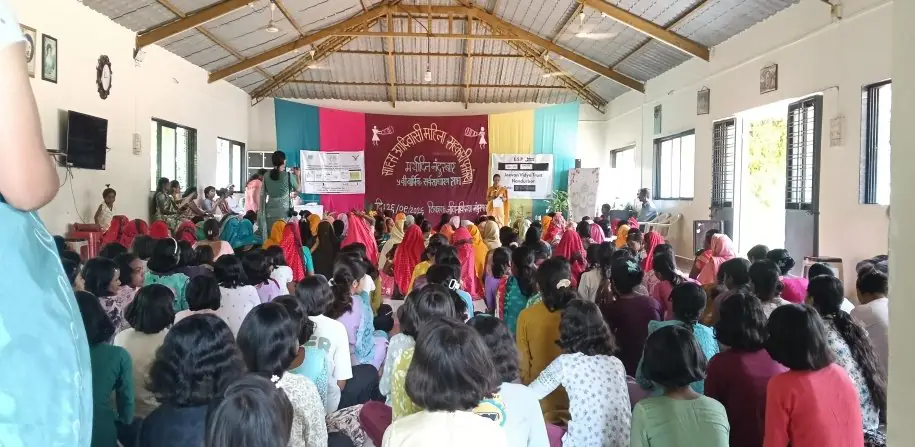
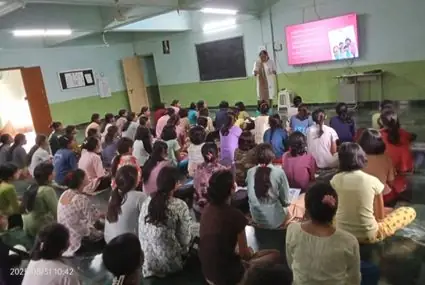
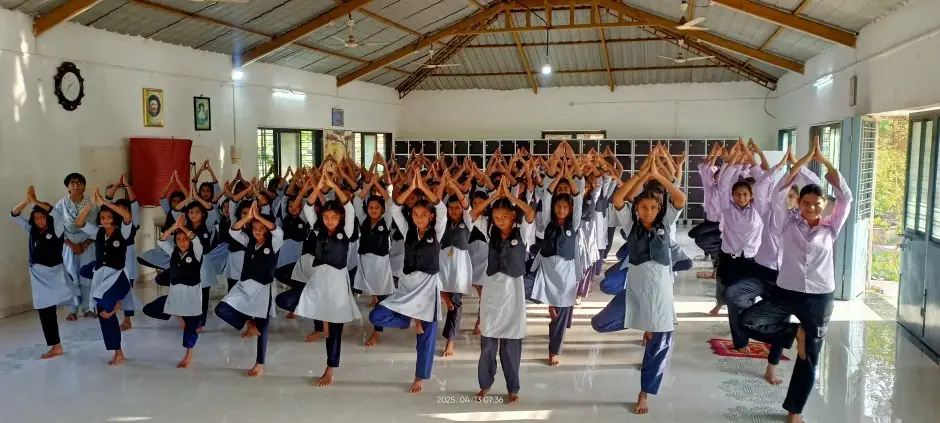
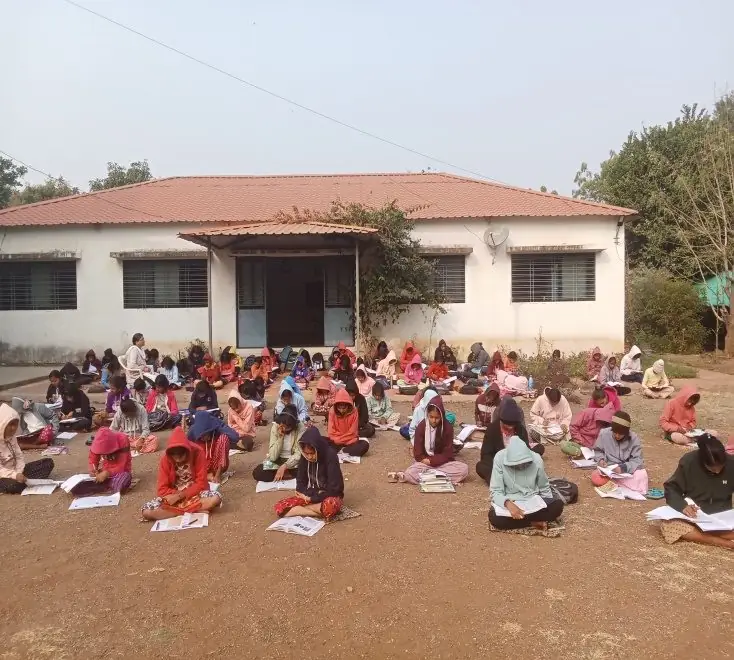
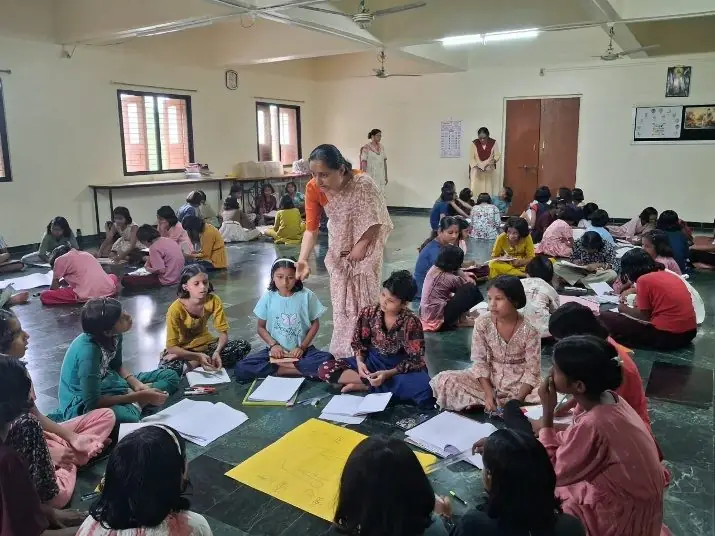
Girls of the boarding during morning yoga in the hallGirls studying outdoors in front of the boardingGirls working on charts with their teacher

Boarding for Tribal Girls

Schools in the tribal region often stop at the primary level, so many girls drop out. Our boarding gives Adivasi girls a safe, loving home where they can continue formal education and grow in every way.

110tribal girls in our boarding

What we do

  • Tuition and online classes in maths, English and science
  • Daily yoga and meditation at dawn, and wellness practice
  • A girls' parliament where every girl holds a role and responsibility
  • Bal Panchayat, the girls' own council, formed every year
  • Sewing classes, science practicals and family visits
  • Competitions in speech, rangoli and fancy dress, and Sports Day
  • Cycling, cooking, plumbing, kitchen gardening and herbal medicine skills
  • Sessions on child rights, POCSO, menstrual hygiene and careers
  • Spoken English and basic computer course

Who benefits: Adivasi girls from Std V to XII, and their families.
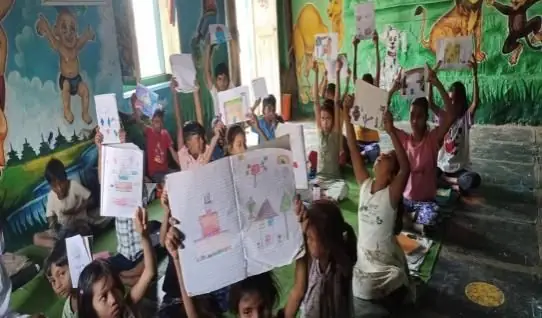
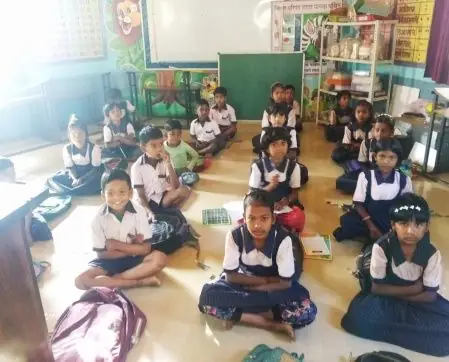
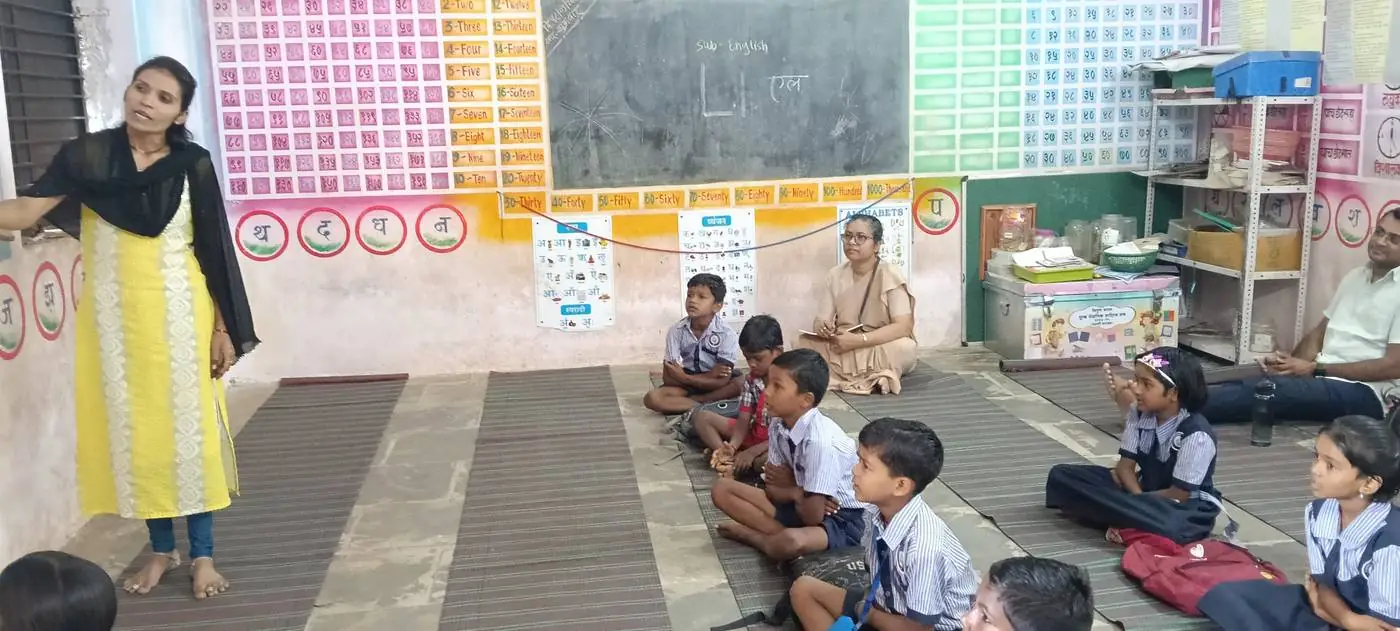
Children holding up their drawings at a balbhavan classA boy writes on the blackboard at a balbhavan classChildren seated in rows at a balbhavan class

Community Education Programme (CEP)

Village classes strengthen the educational foundation of tribal children in Nandurbar taluka, with children, teachers, parents and the Trust all playing their part.

10villages
280children reached

What we do

  • Classes in 10 villages
  • Teachers' training, personality development and leadership training for teachers
  • Parents' meetings, Indigenous Day and national festival celebrations, and a children's picnic
  • Monthly evaluation, regular visits, supervision and a yearly exam

Who benefits: Children of Adivasi families in 10 villages, and village teachers.

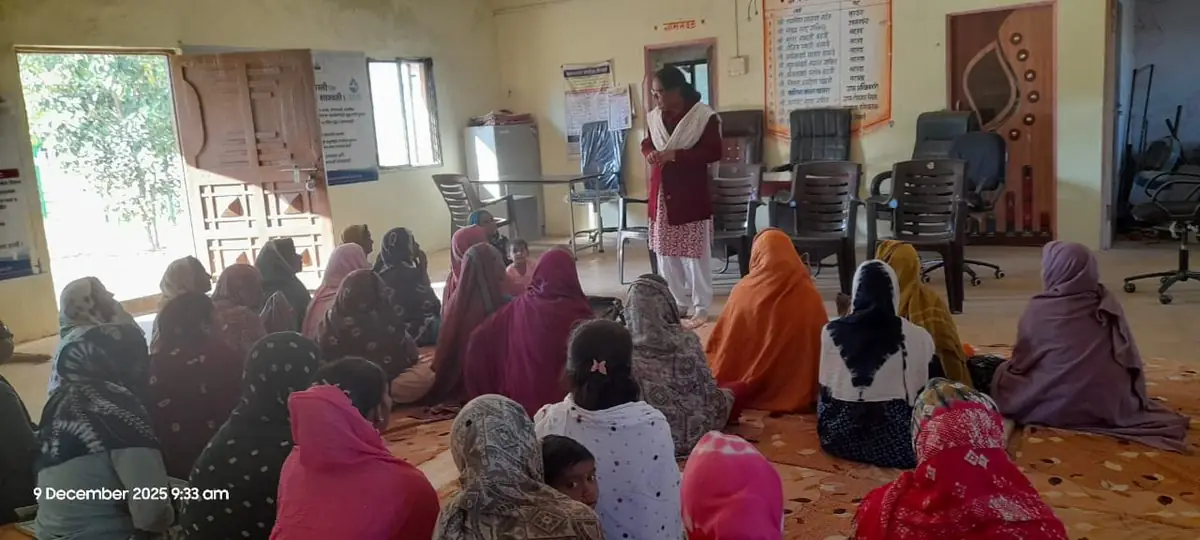
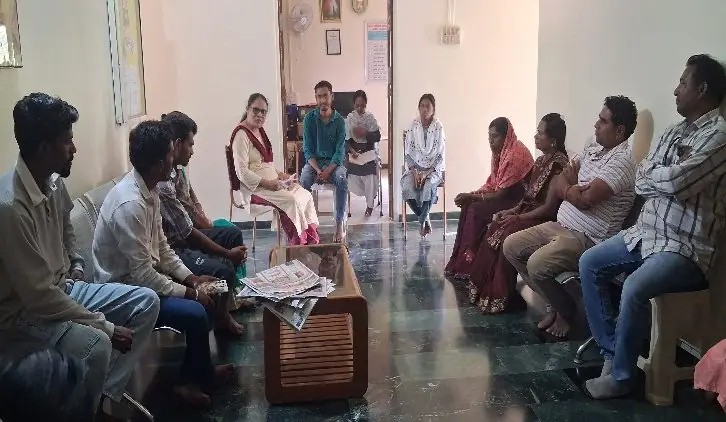
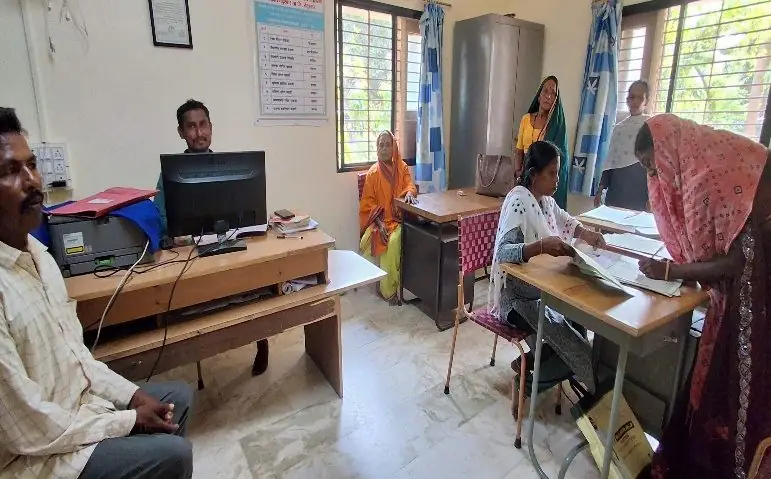
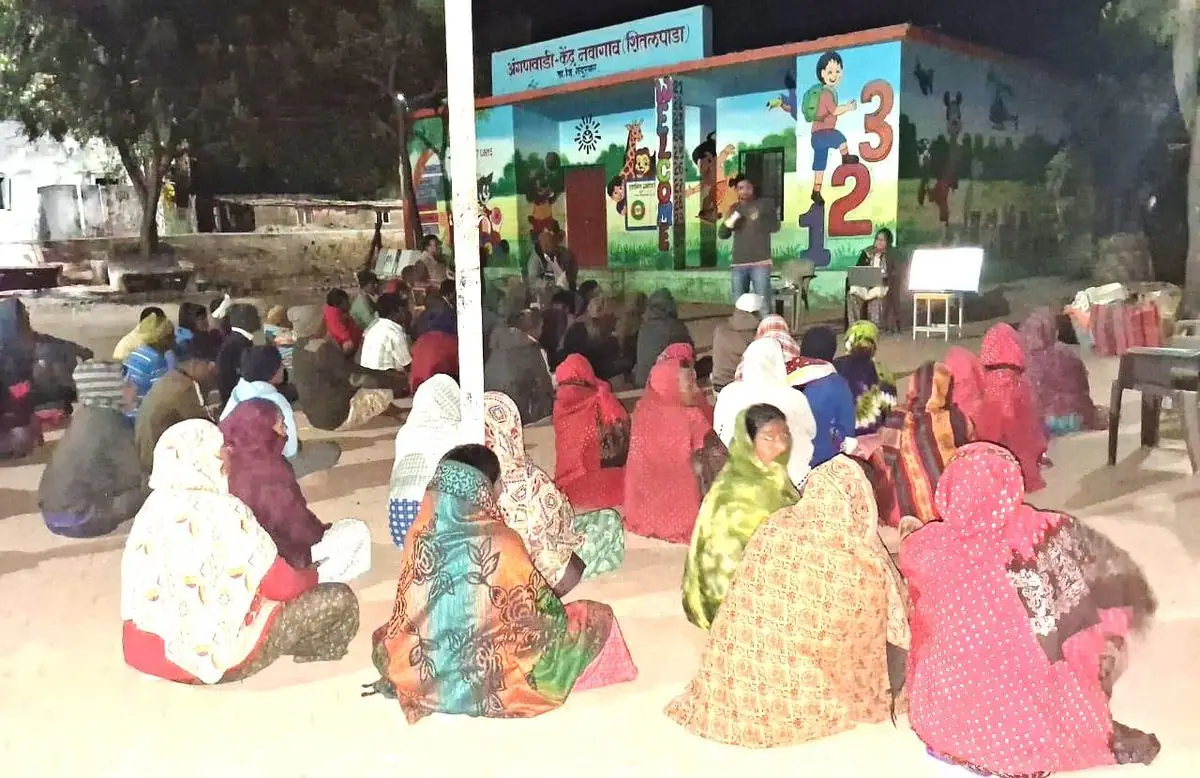
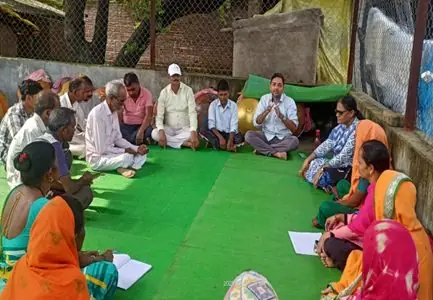
Women at a self-help group meetingMembers of the SAHAS Adivasi Mahila Credit Cooperative Society at a meetingCooperative members at a meeting in the officeMembers at the cooperative officeWomen at an evening village meeting

Women's Development: SHGs and Cooperative

Self-help groups of Adivasi women meet regularly, keep careful records and now manage their own finances. They have federated into the SAHAS Adivasi Mahila Credit Cooperative Society.

40self-help groups in 24 villages
413SHG members
682cooperative members in 40 villages

What we do

  • Monthly meetings on savings, loans, interest and record-keeping
  • 154 cooperative members have received loans for income generation
  • Guidance on government schemes, and celebrating International Women's Day together

Who benefits: Adivasi women and their households across our villages.

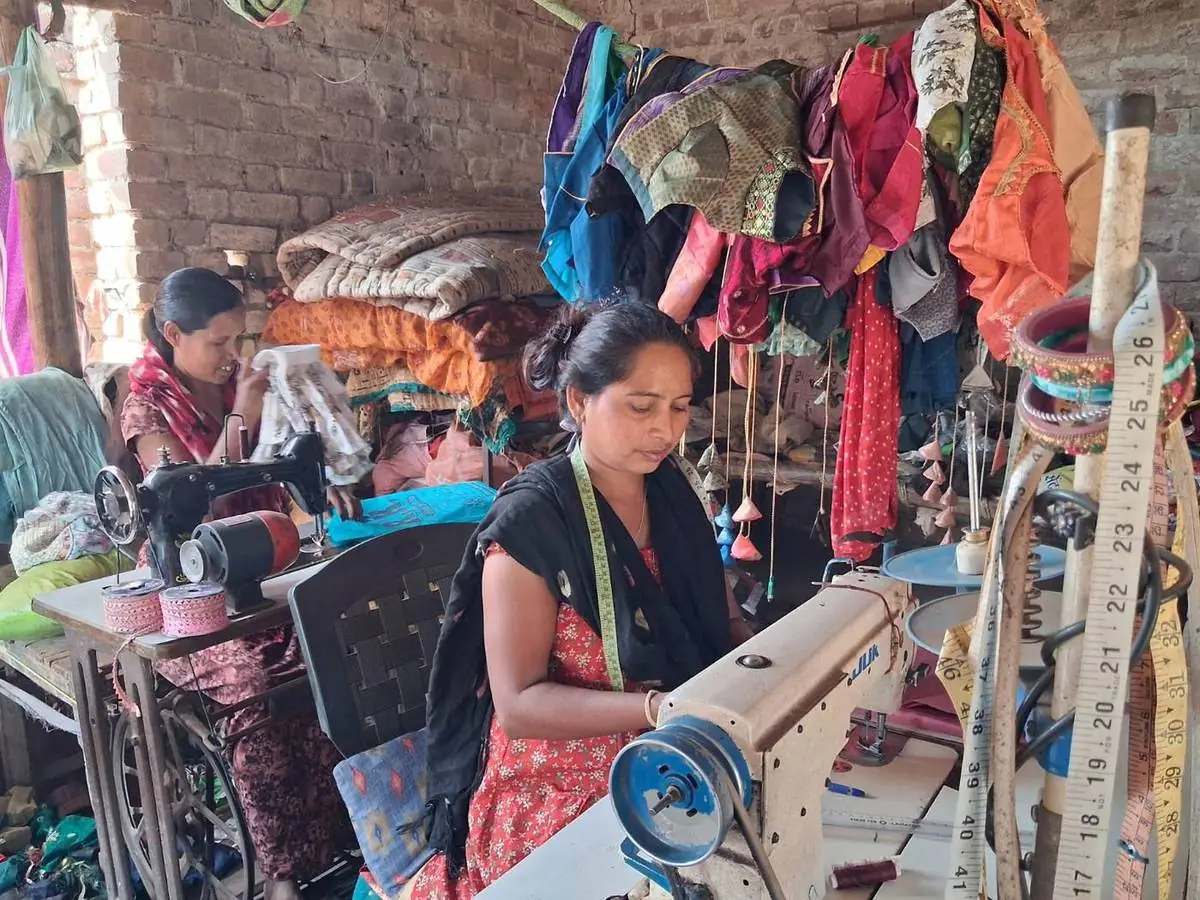
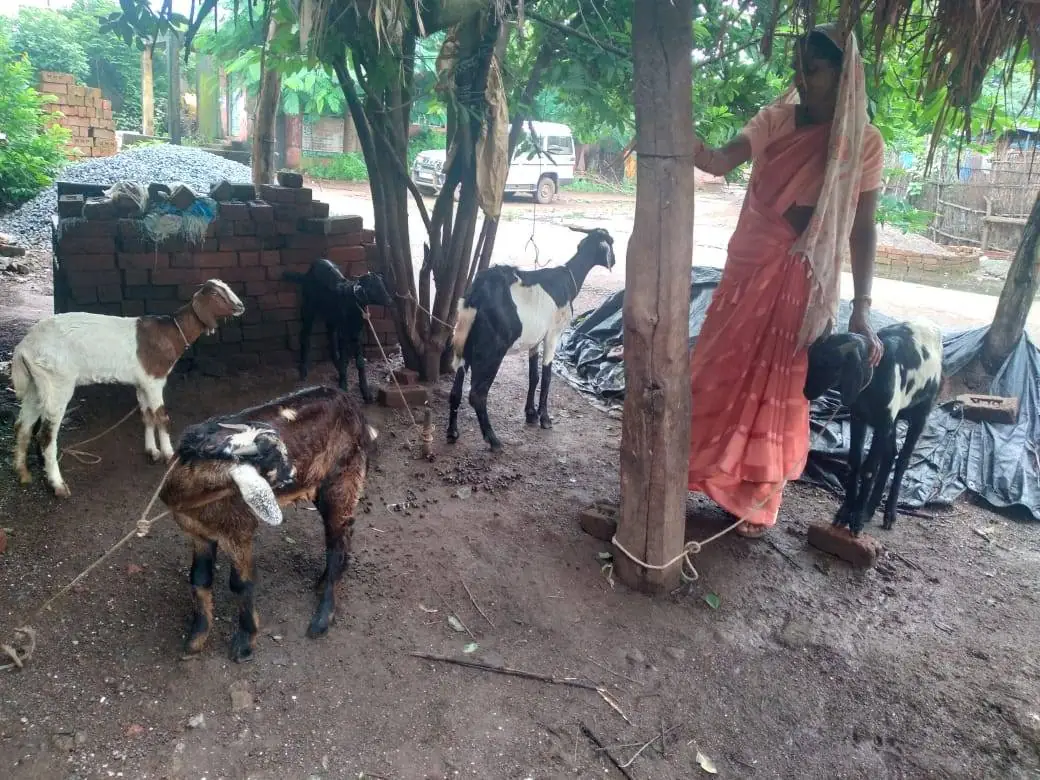
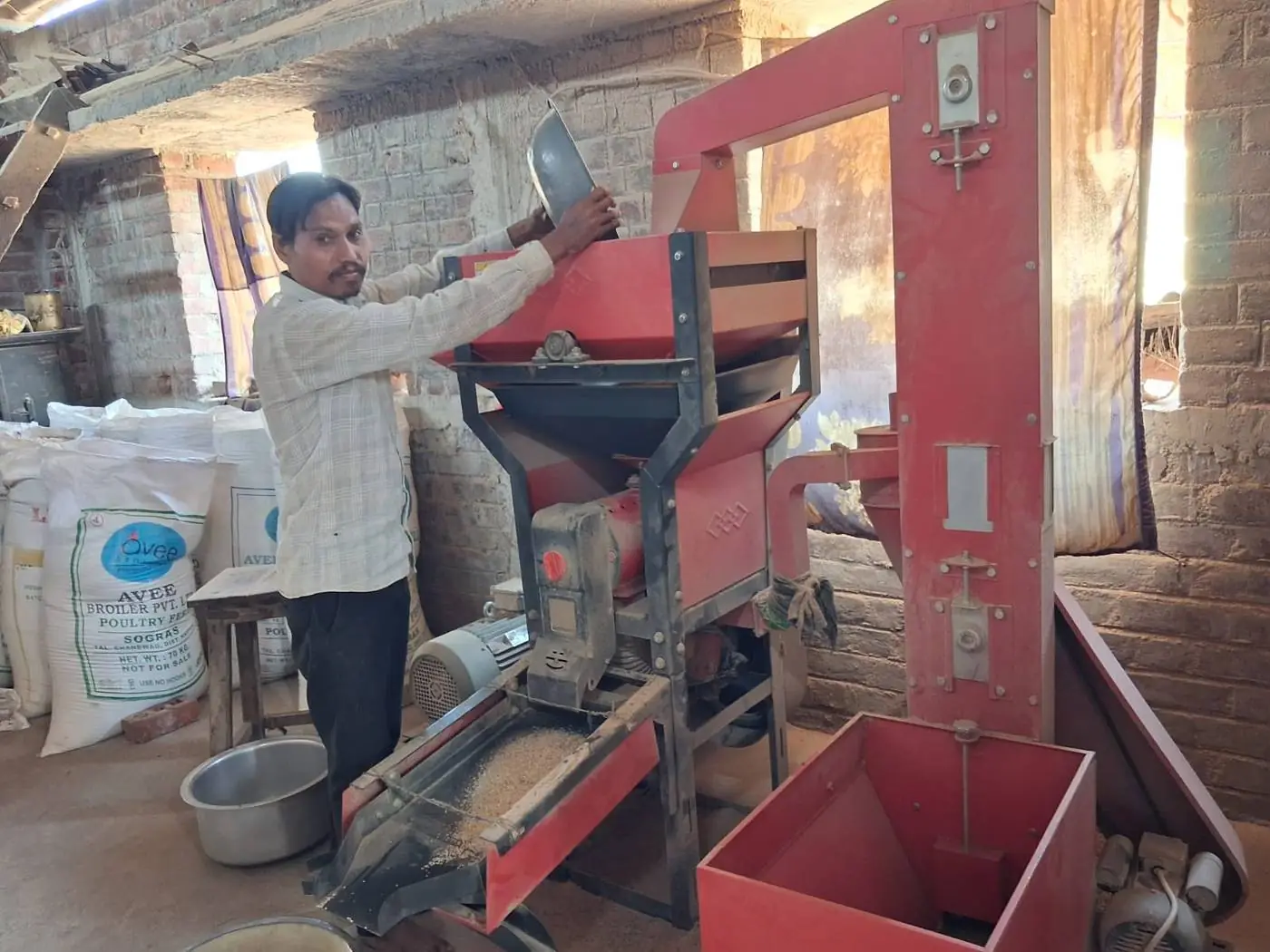
A woman at work in her tailoring shopA woman with her goats outside her homeA village flour mill run as a small family enterprise

Livelihoods

With SHG savings and cooperative loans, women start small enterprises that give regular, supplementary income and build confidence.

50–55women in goat rearing
40women in dairy

What we do

  • Provision shops, vegetable vending, Xerox services and ready-made garment outlets
  • Tailoring, flour milling and backyard poultry
  • Dairy in seven villages: 65 cows and 5 buffaloes under a government scheme with 60% subsidy
  • Exposure visits for women on micro-irrigation and water-saving farming
  • District Livelihood Centre orientation, with ₹1,000 startup support to 40 individuals

Who benefits: Women entrepreneurs and their families.
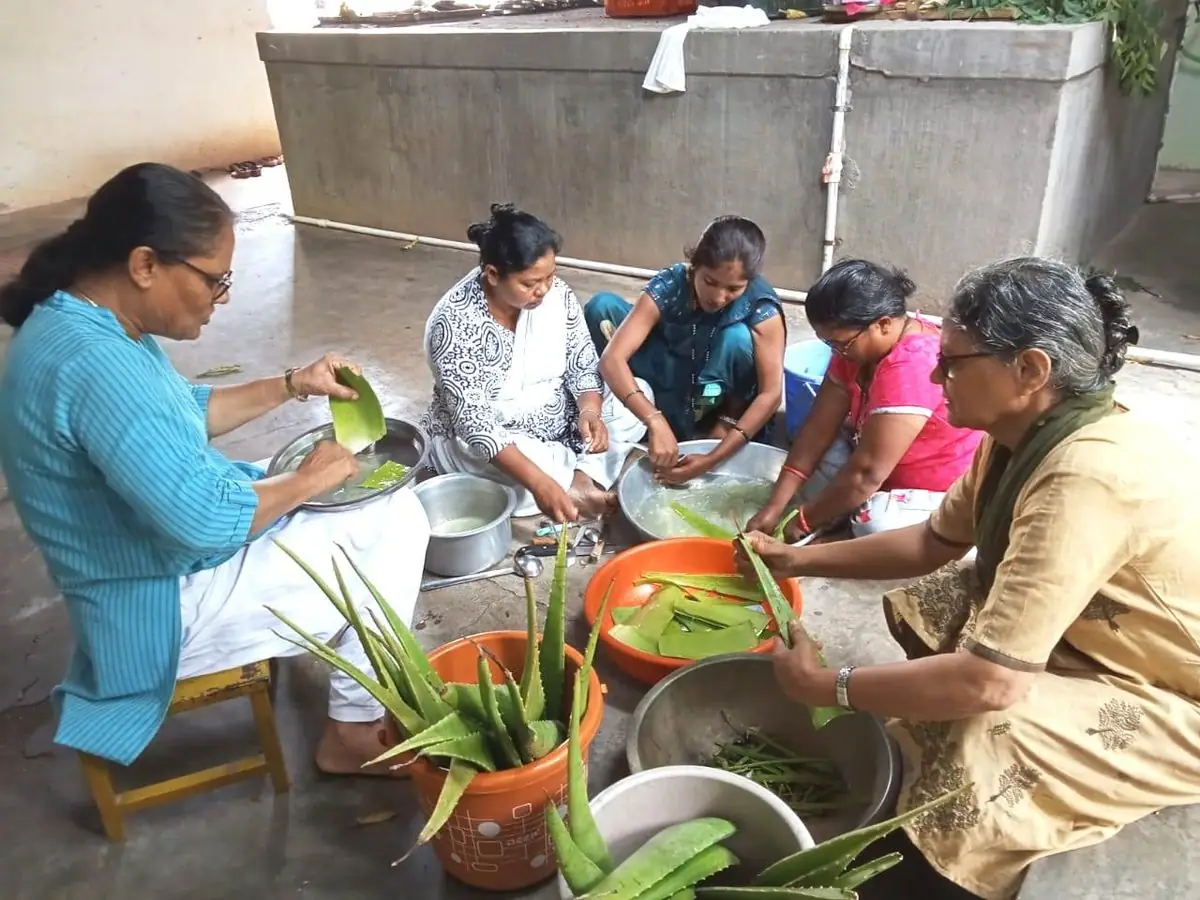
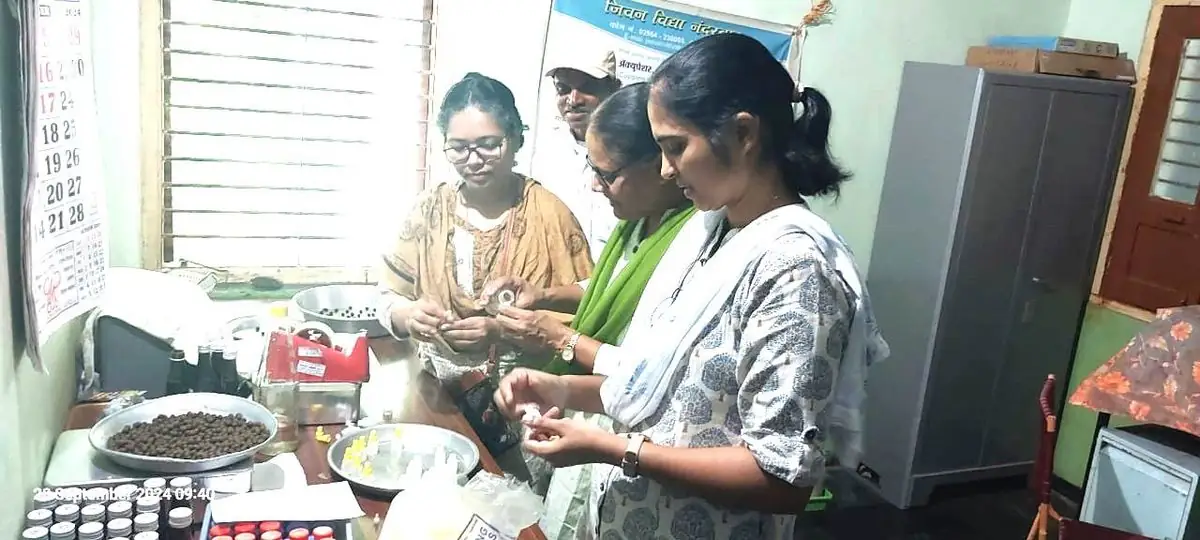
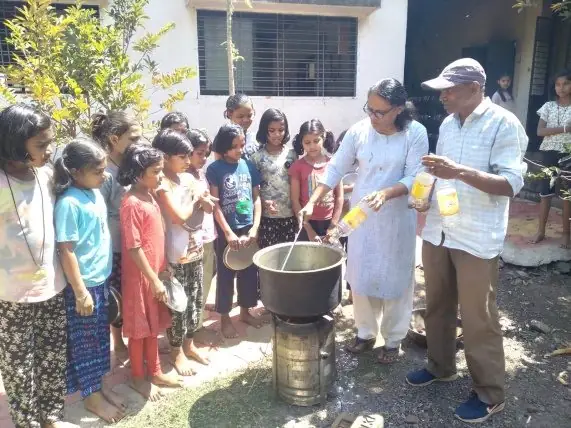
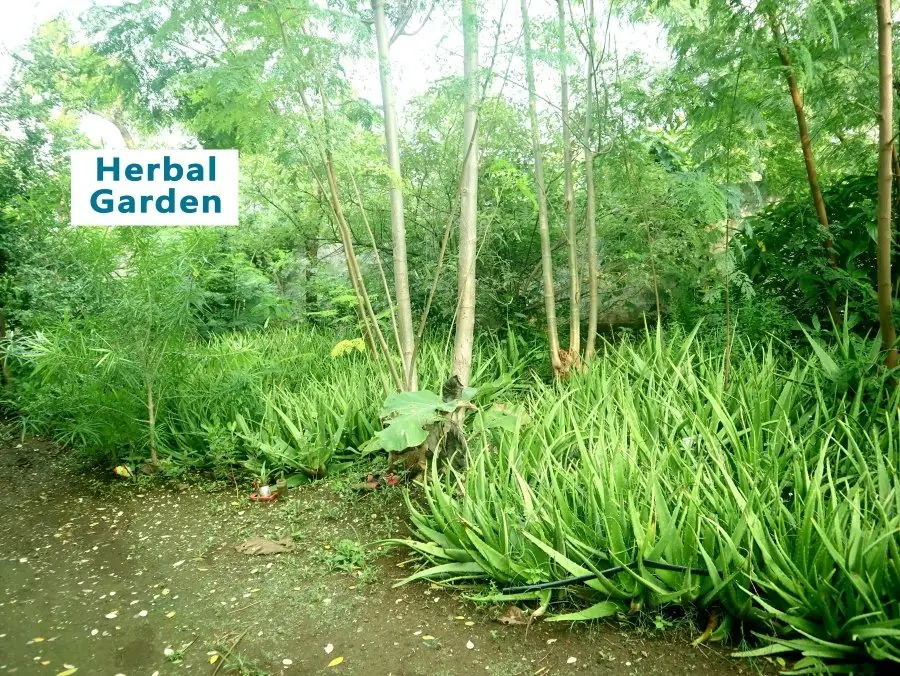
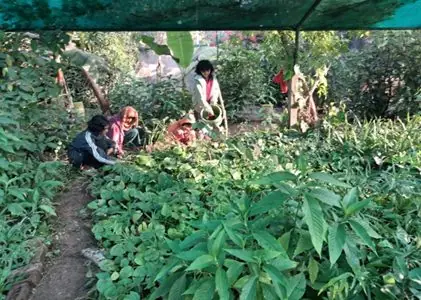
Women preparing aloe vera for herbal medicineWomen preparing herbal medicinesMaking wheatgrass oil with the girlsA health and hygiene awareness sessionThe herbal garden at the Jeevan Vidya centre

Health Awareness & Herbal Medicine

We strengthen traditional health knowledge alongside modern hygiene awareness, through trained village health workers and a herbal garden at our centre.

What we do

  • Monthly training for health workers on common illness, nutrition and hygiene
  • Health and hygiene awareness for girls, and sessions for ASHA workers
  • Health awareness and palliative care programmes
  • Herbal medicine kits for health workers, used in their villages
  • Herbal products prepared by our team: aloe vera tablets and tonic, amla chyavanprash, kurmadi and digestion tablets, and wheatgrass oil
  • Sessions on reproductive health in Ashram schools and in our boarding
  • Training on alternative therapies, and a herbal stall at the Adivasi Ekta Sammelan

Who benefits: Village health workers, families in our villages and adolescent girls.

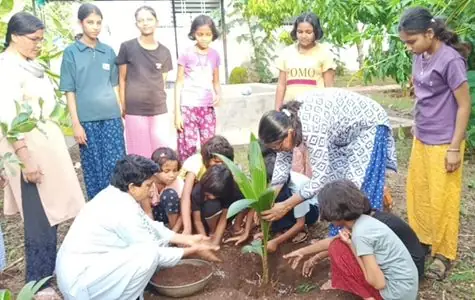
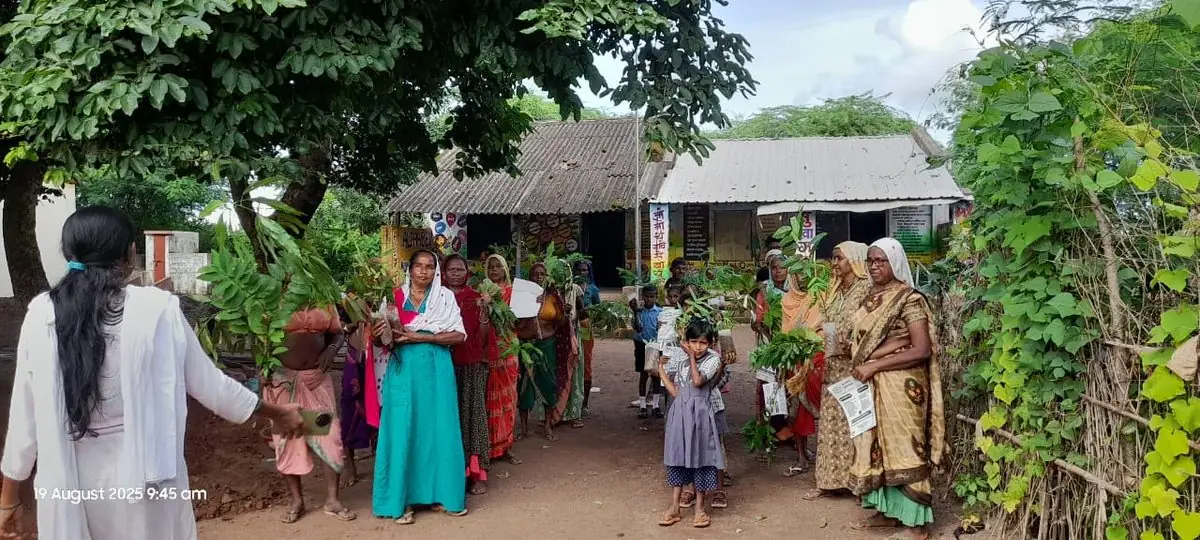
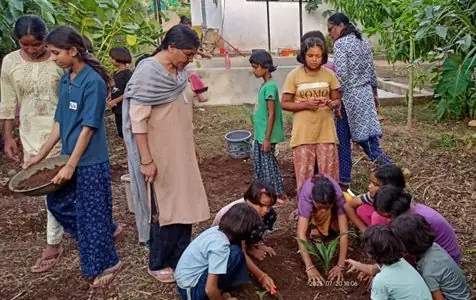
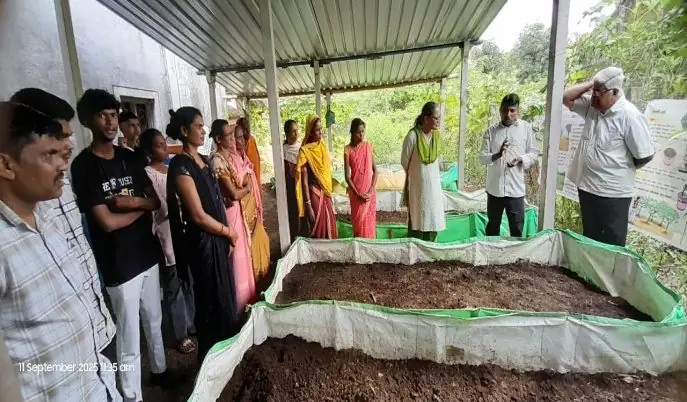
Girls and staff planting a saplingWomen holding saplings for a plantation driveFarmers at a meeting on organic farmingVillagers learning about a vermicompost bedGirls tending the campus gardenGirls planting in the campus garden

Environment, Learning & Networking

Care for the land runs through all our work, and we learn with like-minded organisations to raise awareness on social issues.

What we do

  • Green and clean campus with watering, weeding, vegetables and vermicompost
  • Recycling, waste segregation and composting with the girls
  • Community gardens, plantation drives and organic farming awareness for farmers
  • Exposure visits to Akkalkuva and Waghshepa village
  • Climate change awareness in each village and at the centre
  • Guidance on government-supported solar panel schemes
  • Peace and harmony initiatives with the Salokha Committee at taluka and district levels
  • Vermicompost units set up with women in the villages
  • Eco-friendly Diwali rangoli on pollution and saving water

Who benefits: Our boarding girls, village communities and staff.

How We Work

Every programme follows the same accountable cycle.

  1. Identify Needs

    Home visits, village meetings and PRA exercises.

  2. Plan

    Set goals together with parents, SHGs and teachers.

  3. Collaborate

    Work with like-minded NGOs and government schemes.

  4. Implement

    Classes, boarding, SHGs, health work and livelihoods.

  5. Measure Impact

    Monthly reviews, exams, records and annual reporting.

Geographic reach

We work across 40 villages of Nandurbar district, Maharashtra, and take part in events in neighbouring Dhule district.

Looking ahead

  • Boarding for girls and the Community Education Programme
  • Self-help groups of women and farmers' groups
  • Health awareness and processing of herbal medicine, with licensing for herbal medicines
  • Kitchen gardens, organic farming, tree plantation and vermicompost
  • Livelihoods: provision shops, fruit tree plantation, goat rearing and dairy
  • Capacity-building trainings for staff
  • Access to government schemes such as solar panels, senior citizen and widow pensions
  • Grassroots leadership through skilled education, training and exposure
  • Employment through vocational training
  • Networking with SALOKHA Committee, Janseva Mandal, Janarth, Atma organisation, Adivasi Prakalp and Bank of Baroda

Help Us Expand Our Impact

Your time, partnership or contribution helps a programme reach one more family.